
PRIVATE LABEL SHIFU BLOGS
Ready to dive into more exciting content? Explore our latest blogs now!
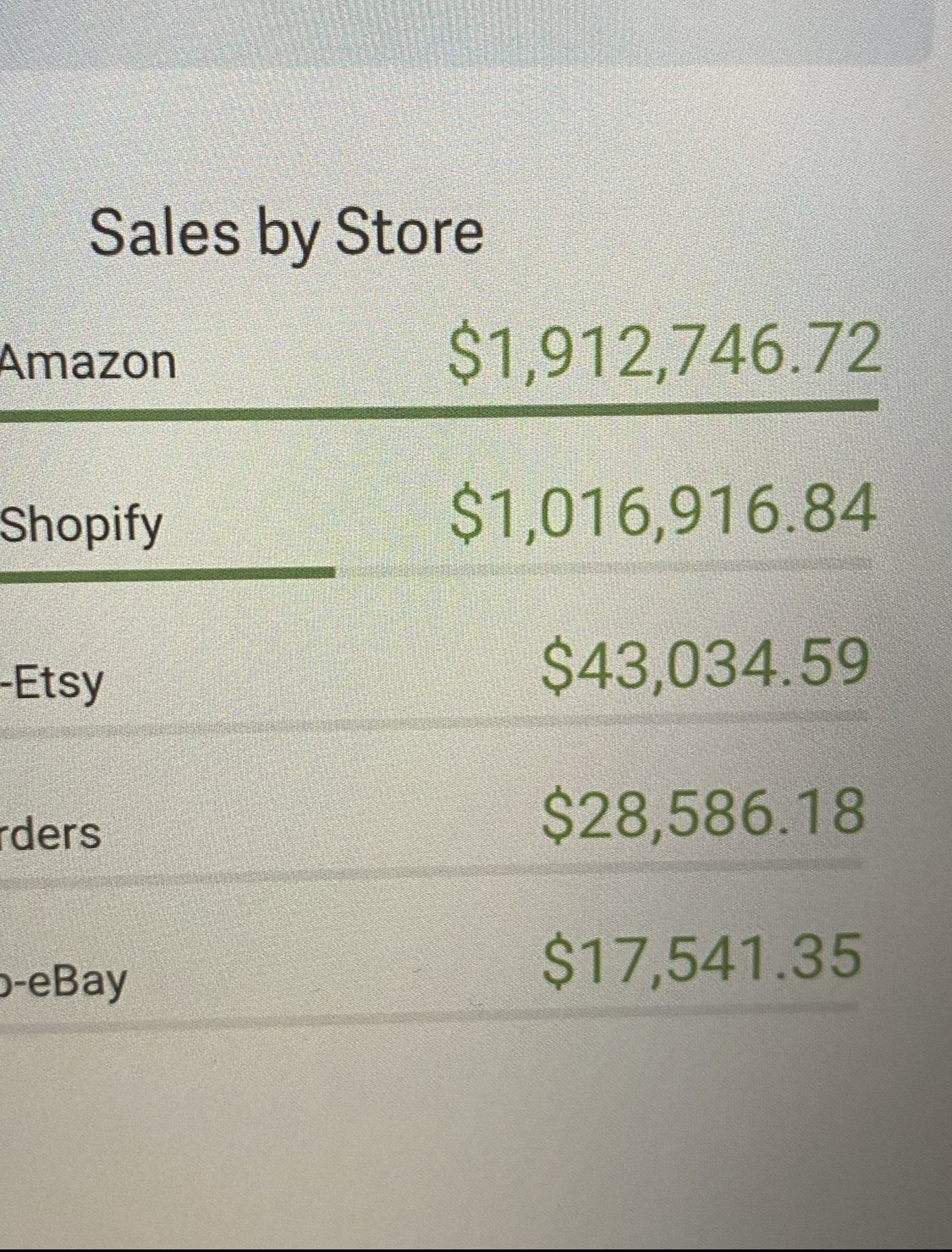
Amazon Launch Pad > Million dollars Brands
5 lessons from my millionaire mentor that helped me build and exit multi-7-figure brands across Amazon and Shopify -“Amazon is not the final destination; it’s the launchpad.”
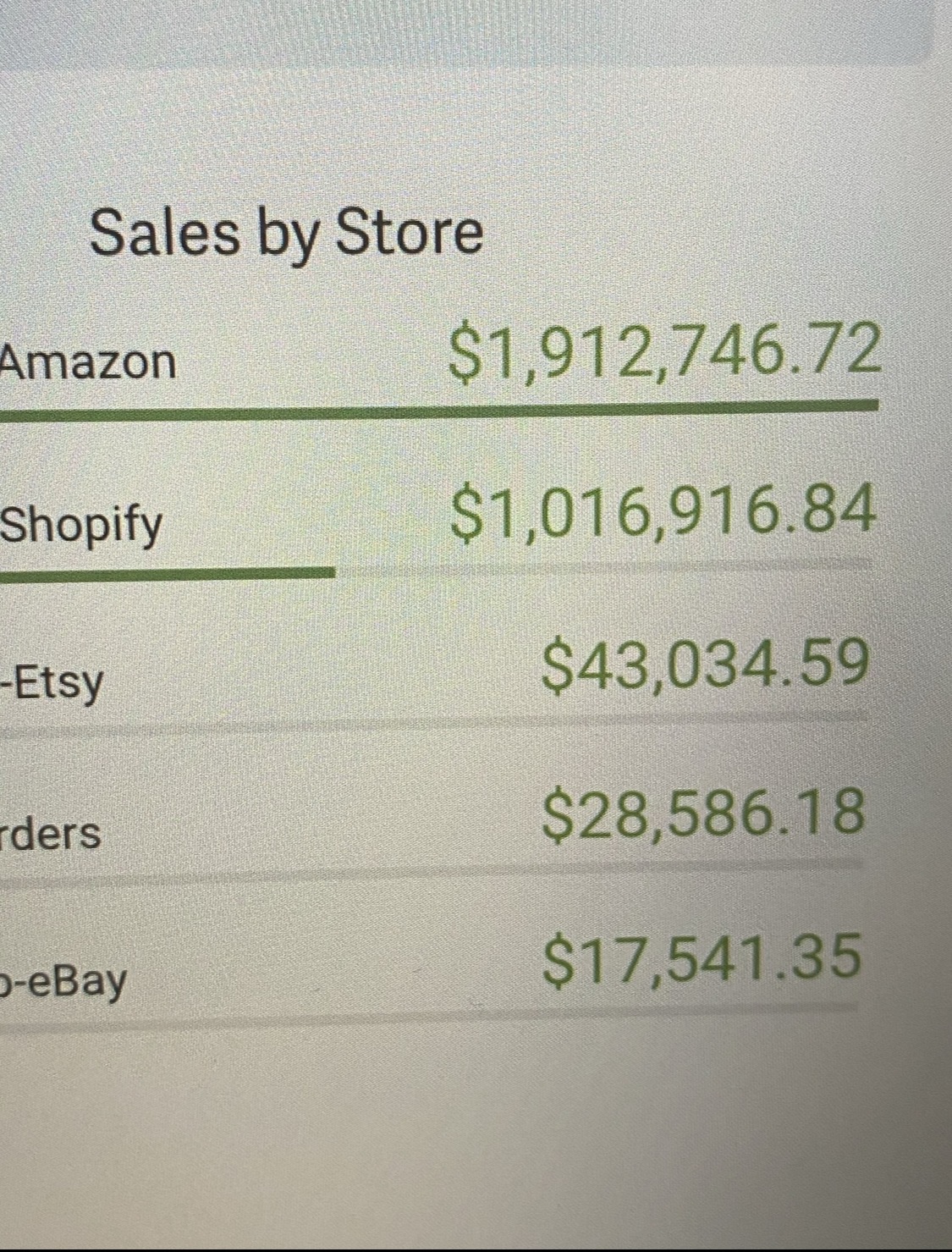
Disclaimer: This is not a brag post. I wanted to write this because there’s so much misinformation out there from “gurus” who don’t actually practice what they preach. After a few of my recent posts, many people reached out asking for more help, and I noticed the same questions kept coming up. I'm sharing my thoughts in one place to give newer founders a clearer, more honest perspective on what it takes to build a brand on Amazon. Take what’s useful, leave what’s not, and always think for yourself. I hope that they help another new founder save time, avoid a few mistakes, and see the game a little more clearly.
If I had only seen Amazon as a place to sell products, I probably would not have been able to build and exit multi-7-figure brands across Amazon and Shopify today.
One of the biggest lessons I learned from my mentor is this:
Amazon is not the final destination; it’s the launchpad.
The longer I’ve stayed in this game, the more I’ve realized how true that is. Amazon is simply too big of a machine to ignore. According to recent Similarweb traffic data, Amazon.com saw around 2.3 billion visits.
From a revenue standpoint, Amazon generated $638 billion in net sales in 2024, up 11% year over year. On top of that, more than 60% of sales in Amazon’s store come from independent sellers, which means third-party sellers like us still make up the majority of transactions on the platform. (Similarweb)
That tells me something very clearly:
The traffic is real. The buyers are real. The opportunity is real.
But my mentor also helped me understand something deeper:
The opportunity is not in depending on Amazon forever.
The real opportunity is in using Amazon to launch, validate, acquire customers, and then build a deeper brand ecosystem that you actually own.
Marketplace Pulse reported that in Q4 2024, third-party sellers accounted for 62% of units sold on Amazon. At the same time, services for third-party sellers generated $156.1 billion in 2024, and Amazon’s advertising business reached $56.2 billion.
In other words, Amazon is becoming more and more like a massive infrastructure platform for sellers, brands, ads, logistics, and data, not just a simple e-commerce website. (Marketplace Pulse)
Today, I want to share the 5 biggest lessons I learned from my mentor; lessons that changed how I look at Amazon, how I build business, and most importantly, how I think like a brand builder, not just a seller.
1) Amazon is where you launch; it’s not where you should depend forever
The first lesson, and probably the most important one, is this:
Do not treat Amazon as your entire business.
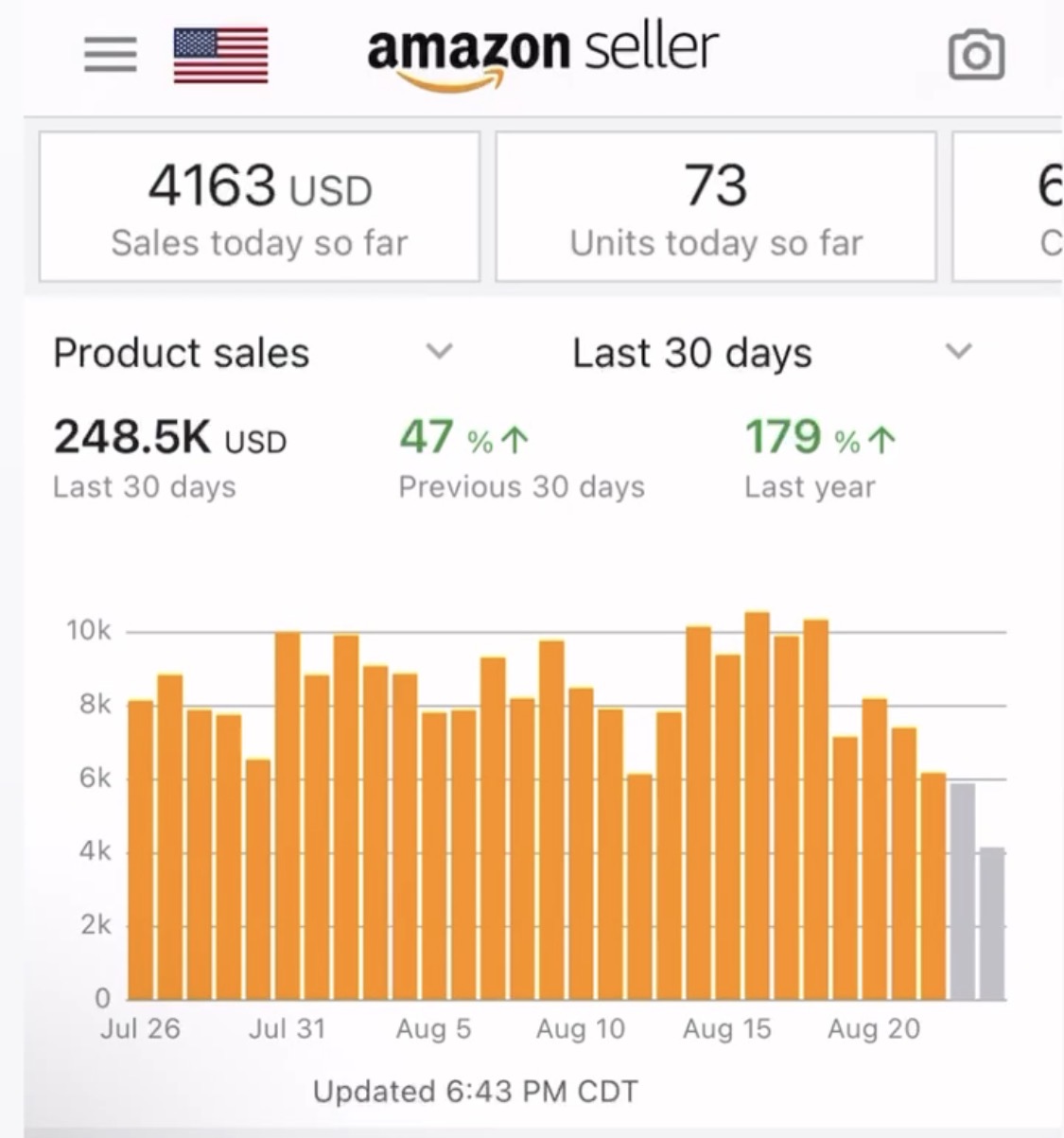
Amazon is too powerful to ignore. It has massive traffic, high buyer intent, and built-in trust. That is exactly why it is such a strong place to launch products quickly, validate demand, collect reviews, gather data, and generate early sales.
In fact, Amazon reported that U.S.-based independent sellers averaged over $290,000 in sales in 2024, and more than 55,000 sellers generated over $1 million in annual sales. (sellerreports.aboutamazon.com)
But if you only live on Amazon, you are building your house on rented land.
You do not own the traffic. You do not control the rules. And you do not truly own the customer relationship.
My mentor taught me this: Use Amazon as a launchpad.
Use it to test, validate, and acquire customers, then gradually move them into channels you actually control; your website, your email list, your content ecosystem, your subscription model, your bundles, and your brand.
Real-life example:
Imagine a founder selling a pain relief roller on Amazon. If that founder stops at just selling one listing on Amazon, every month they have to fight for traffic all over again. But if after the first sale they move that customer to Shopify, collect their email, upsell a digital guide, bundle related products, or offer refill subscriptions, then the business starts to gain real depth.
The Amazon order is just the front door. The real value sits behind that door.
Practical takeaway:
When you launch a product on Amazon, do not just ask:
“How do I rank this product?”
Ask these 3 questions too:
After the first order, where do I want this customer to go next?
How can I keep in touch with them outside of Amazon?
If Amazon changed the rules tomorrow, would my business still survive?
2) Don’t just choose profitable products; choose products you can build a brand around
My mentor completely changed how I think about product research.
A lot of people getting into Amazon FBA immediately ask:
What is the most profitable product?
What margin can I get?
How big is the keyword volume?
Those questions are not wrong.
But they are not enough.
The right product is not just a product with a good margin.
The right product is one that:
solves a specific problem
serves a specific type of customer
and most importantly, can become the first brick of a real brand
That is why I no longer look at a product as “just an item.”
I look at it as the first door into the customer’s mind.
Real-life example:
Let’s say you are selling an electric toothbrush. Don’t just think about how much profit you make on one order. Think bigger.
What else will that customer need later?
Replacement brush heads? Toothpaste? A travel case? A whitening kit?
If the answer is yes, then this is no longer just a one-product play. It is the beginning of a product ecosystem.
Practical takeaway:
When evaluating a product, add these 4 filters beyond profit:
What pain point does this solve?
Is there repeat purchase potential?
Can I build 2 to 5 related products around it?
Can I tell a compelling brand story around it?
If you cannot build “next products,” there is a good chance you are just selling commodities, not building a brand.
3) Data gets you into the right market; storytelling is what makes customers choose you

My mentor is extremely strong when it comes to systems thinking, and one thing I learned very clearly is this:
Data should come before emotion.
You need to understand demand. You need to understand keywords. You need to understand margins. You need to understand competitors. You need to understand how crowded the market is.
But after going deeper, I realized something else:
Data only tells you what to sell. Storytelling is what makes customers choose you over someone else.
On Amazon, customers make decisions fast. They look at the images, title, reviews, price, A+ content, and overall brand feel. If everyone is selling something similar, the thing that helps you win is not just the product itself; it is your positioning.
Real-life example:
Two brands sell bath bombs.
One says: “Organic, scented, handmade bath bomb.”
The other tells a stronger story: A product designed for women who want 15 minutes of self-care after a long day, with beautiful packaging, emotional visuals, and a consistent brand voice.
The product might be almost the same. But the perception is completely different. And perception is what drives conversion.
Practical takeaway:
When building your listing or website, do not just explain what the product is.
Also answer:
How does this make the customer feel?
What kind of lifestyle does it represent?
What makes it different beyond features?
After 5 seconds of seeing the brand, what should people remember?
A simple formula I like is this:
Data helps you choose the right market.
Storytelling creates emotion.
Brand positioning gives customers a reason to remember you.
4) The real money is not in the first order; it’s in the customer’s lifetime value
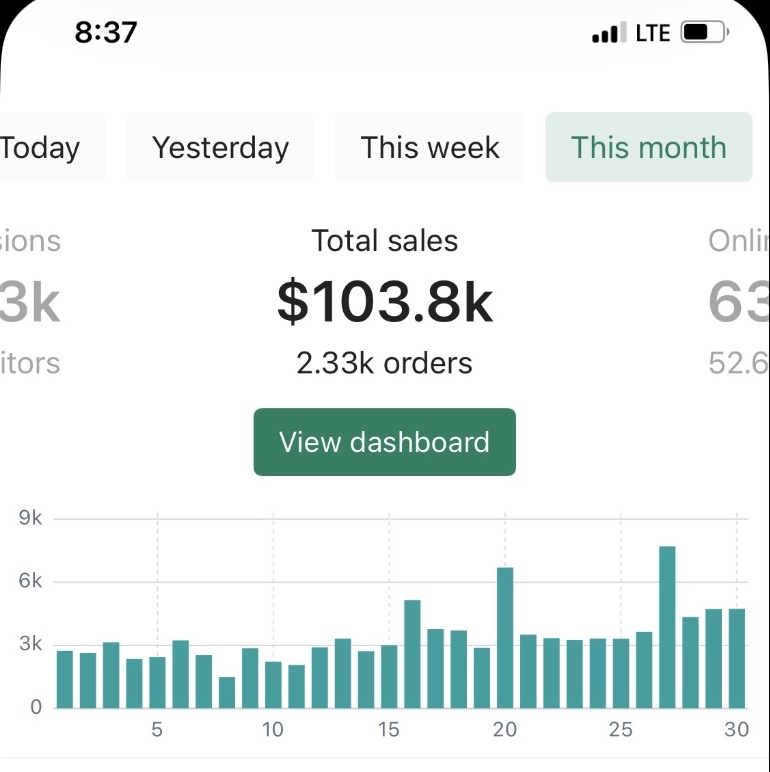
This lesson helped me move to another level in business.
A lot of sellers only focus on the first sale.
But my mentor taught me this:
The first sale is just the door opening.
If you only look at the profit from the first order, you will miss much bigger opportunities behind it. That is also why the mindset of “Amazon is a launchpad” matters so much.
Amazon gives independent sellers an incredible market to acquire their first customers. Over the last 25 years, independent sellers have generated more than $2.5 trillion in sales in Amazon’s store. That shows how powerful Amazon is for customer acquisition.
But customer acquisition is only step one.
The deeper profits usually come from:
repeat purchases
bundles
cross-sells
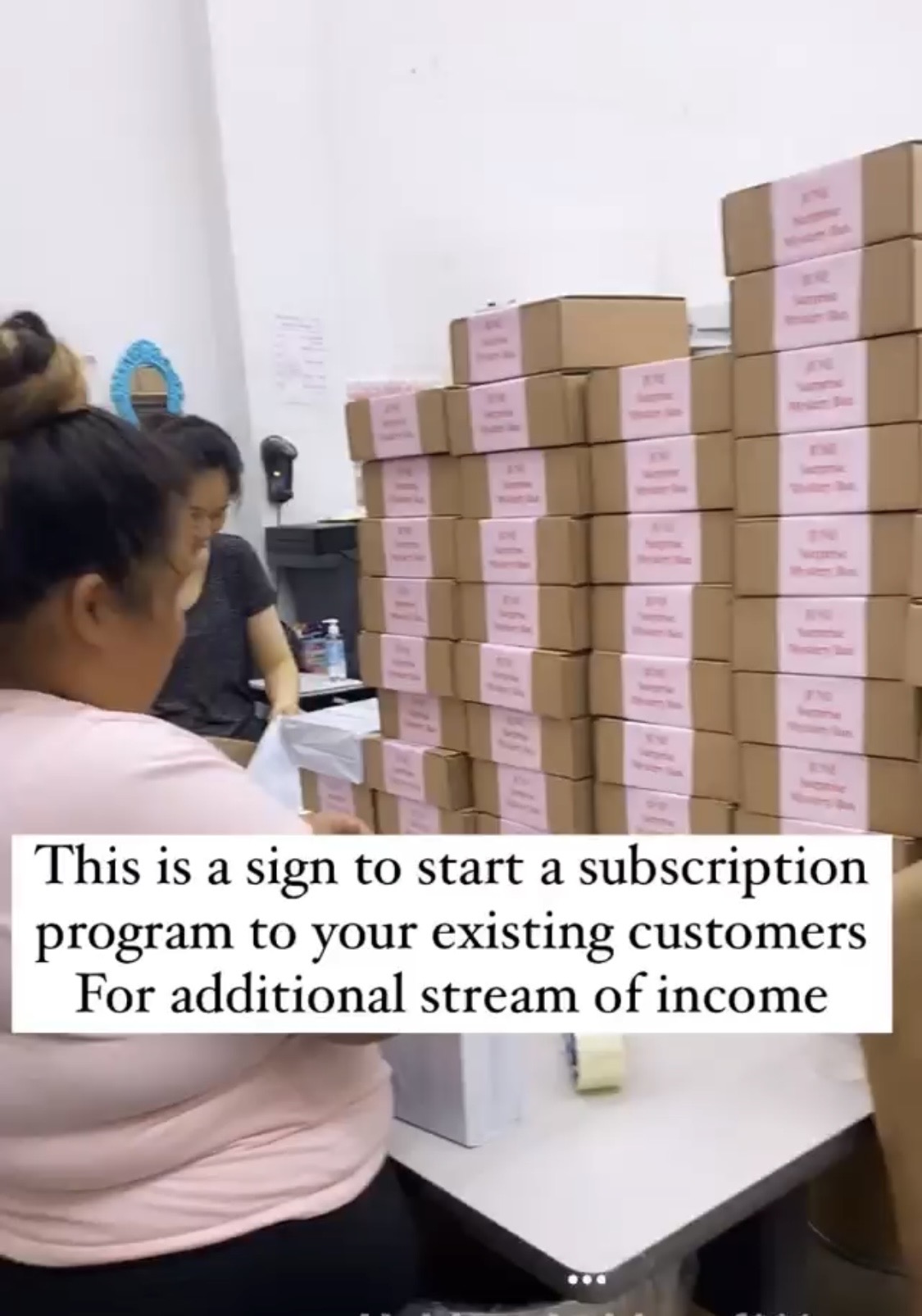
subscriptions
and owned audiences
(sellerreports.aboutamazon.com)
Real-life example:
Let’s say you sell a skincare product on Amazon and the first order only gives you a thin margin. A lot of people would look at that and move on.
But if that customer later comes to your Shopify store, buys serum, cleanser, refills, and stays loyal for 6 to 12 months, then the first order is no longer “a low-profit sale.”
It becomes the cost of acquiring a high-value customer.
That is the difference between someone who only looks at profit per order and someone who looks at lifetime value.
Practical takeaway:
Instead of tracking only:
first-order profit
ACOS
CPC
Start tracking:
repeat purchase rate
average order value
customer lifetime value
return visitor rate to your website
average number of products purchased per customer over 6 to 12 months
Once you look at your business through the lens of lifetime value, you start making very different decisions around pricing, offers, bundles, email marketing, and retention.
5) A great mentor does not just give motivation; a great mentor identifies bottlenecks
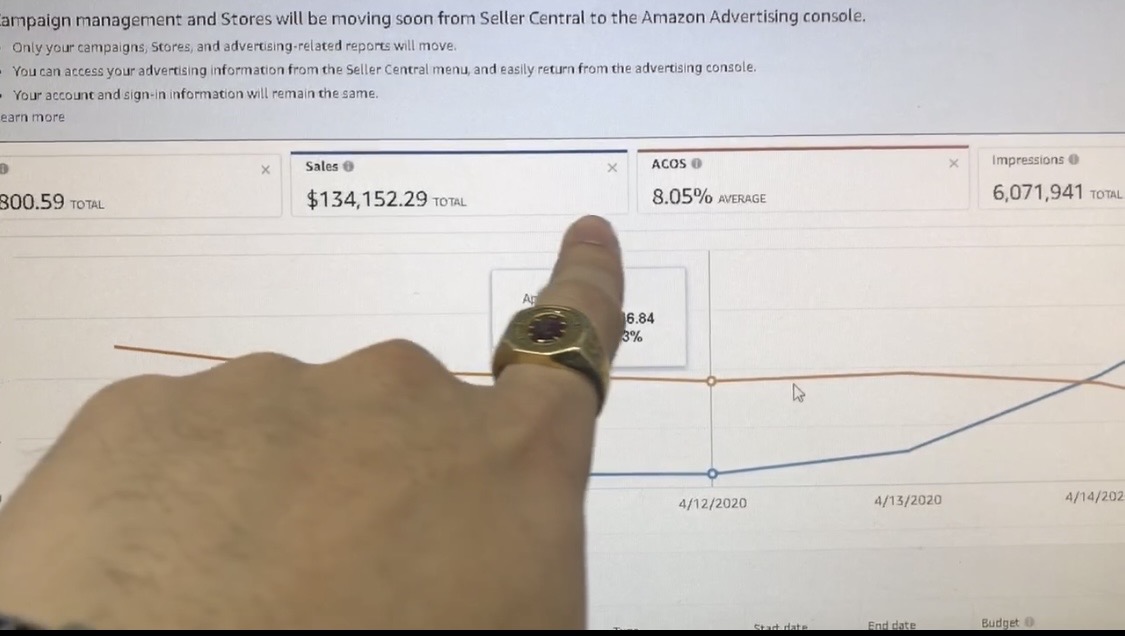
One of the biggest gifts in my journey has been learning from the right mentor.
A lot of people think a mentor is someone who gives motivation or says inspiring things.
But in my experience, a real mentor is someone who sees the bottleneck you cannot see yourself.
Sometimes your business is not missing effort. It is not missing capital. It is not missing hard work.
What it is missing is:
the right perspective
the right system
the right priorities
and someone who can point out where the real blockage is
My mentor helped me see Amazon not just as a sales channel, but as part of a larger ecosystem involving Amazon, Shopify, email, content, offer stacks, backend products, team structure, and leverage.
Real-life example:
A founder launches a product but cannot scale. They assume the problem is PPC. But a mentor looks deeper and sees that the real bottleneck is the wrong customer avatar, a storefront that does not build trust, or the lack of a backend offer, which means the business cannot support customer acquisition costs on the front end.
If you only fix the ads without fixing the real bottleneck, growth will still be slow.
Practical takeaway:
If you are stuck, do not just ask:
“How do I run better ads?”
Ask bigger questions:
Where is my biggest bottleneck right now?
Product?
Positioning?
Listing?
Offer?
Team?
Follow-up?
Or even my own thinking?
Sometimes fixing one true bottleneck is enough to get the whole business flowing again.
What I want newer founders to understand
If you are new to this game, I want to tell you something honestly:
You do not need to know everything before you start. But you do need to learn the right game as early as possible.
Amazon is still a huge opportunity. Amazon generated $638 billion in revenue in 2024, and its North America segment alone reached $387.5 billion. This is not some small trend. This is a massive market where buyers are ready to purchase every single day. (Amazon)
But because it is so big, you have to play it the right way.
If you treat Amazon as the final destination, you can easily become someone who is forever chasing rankings, reviews, pricing wars, and ads.
But if you treat Amazon as a launchpad, you start thinking like a brand builder:
you choose products differently
you build your ecosystem differently
you manage the customer journey differently
and you scale in a much more sustainable way
What I want to leave you with
Don’t just try to sell on Amazon.
Learn how to use Amazon to build a brand that actually belongs to you.
Don’t just look at the first order.
Look at the entire customer journey.
Don’t just think like a seller.
Think like a brand builder.
And if these 5 lessons help you save a few months of confusion, avoid a few bad decisions, or see your business more clearly, then this post has already done its job.
Amazon is not the final destination. It’s the launchpad.
You made it this far, so I’d genuinely love to hear your perspective: What stage are you in right now on your brand-building journey?
If you are building on Amazon or Shopify, too, drop one honest takeaway below. I’d love to learn from your perspective as well.
And if you are currently stuck on a bottleneck in your business, comment below. Maybe I or someone else here can offer you a useful perspective.
HAVE MORE QUESTIONS & WANT TO LEARN FROM ME? - JOIN MY FREE WORKSHOP WHERE I BREAK DOWN THE STEP-BY-STEP FREE GAME THAT YOU CAN APPLY TO 2X-5X YOUR SALES IN THE NEXT 120 DAYS https://amzshifu.com/live-training
Shifu Justin - 1% Better Every Day, Warriors!

AND MEET AND SEE REAL CONVERSATIONS FROM OUR SUCCESSFUL MENTEES
⭐⭐⭐⭐⭐


GET THE LATEST NEWS
Books Recommendation for Amazon Private Label
IF YOU ARE SERIOUS ABOUT TURNING YOUR LIFE INTO A NEW CHAPTER CLICK THE BUTTON BELOW TO APPLY FOR OUR DISCOVERY CALL
NO COMMITMENT REQUIRED IF YOU ARE NOT A GOOD FIT
AMZ Shifu | Copyright ©2024 | All Rights Reserved



DISCLAIMER: The sales figures stated anywhere on this funnel are individual sales figures and marketing results. Please understand that sales figures are not typical, and we are not implying that you will duplicate them. We have the benefit of doing online marketing for 4+ years, and have an established following as a result. The average person who simply purchases any “how-to” program may not follow through on what they are being taught and because of that we cannot guarantee any specific result. We are using these references for example purposes only. Sales figures will vary and depend on many factors including but not limited to background, experience, and work ethic. All business entails risk as well as massive and consistent effort and action. If you’re not willing to accept that, this is not for you.
>ABOUT THE STRATEGY SESSION: After completing an application, you will get the opportunity to schedule in a Strategy Session with a qualified person from our team. This is completely optional. The Session lasts about 45 minutes and if you do not want to work more closely with us, you can leave without buying anything. The Strategy Session to provide insights insights on the operations of your business and offer strategies for growth that you will be able to implement right away.
NOT FACEBOOK™: This site is not a part of the Facebook™ website or Facebook Inc. Additionally, This site is NOT endorsed by Facebook™ in any way. FACEBOOK™ is a trademark of FACEBOOK™, Inc. Hi! We use cookies, including third-party cookies, on this website to help operate our site and for analytics and advertising purposes. For more on how we use cookies and your cookie choices, go
here for our cookie policy!
@2024 AMZSHIFU.COM All Rights Reserved